What is a Credit Union?
A credit union is a financial institution owned by the people who use it.
When you open an account at a credit union, you are not just a customer. You are a member and part-owner. Credit unions are organized as not-for-profit cooperatives, which means they exist to serve their members rather than outside investors.

How Is a Credit Union Different from a Bank?
Both banks and credit unions offer similar financial services. The difference is in how they are structured.
| Banks | Credit Unions |
|---|---|
| Owned by shareholders | Owned by members |
| Operate for profit | Not-for-profit |
| Earnings are paid to investors | Earnings are returned to members through better rates, lower fees, and improved services |
Because of this structure, credit unions focus on long-term member benefit rather than maximizing profit.
What Services Do Credit Unions Offer?
Credit unions provide many of the same services you would expect from a bank, including:
- Checking and savings accounts
- Auto loans
- Home loans and mortgages
- Credit cards
- Small business loans
- Online and mobile banking
- Financial education and counseling
Members can access their money through branches, ATMs, and digital platforms.
Are Credit Unions Safe?
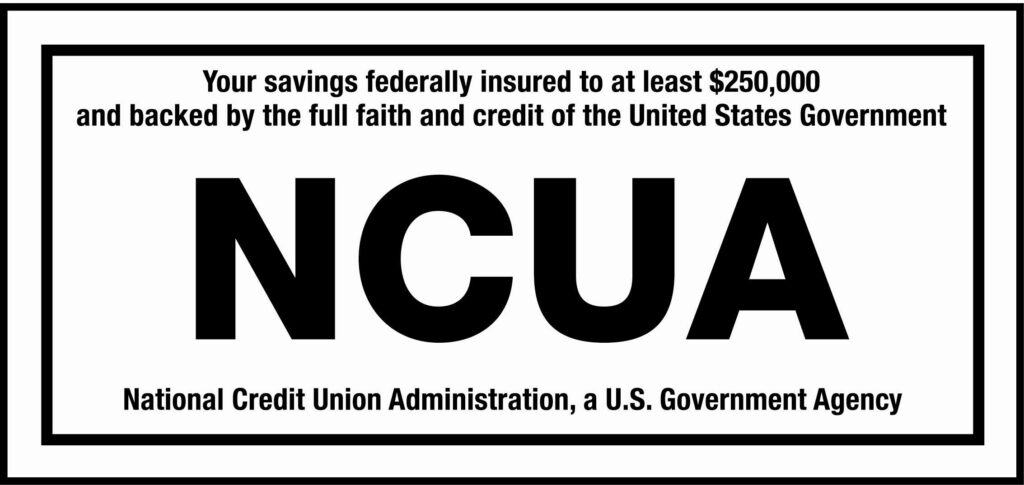
Yes. Federally insured credit unions are regulated and insured by the National Credit Union Administration, an agency of the federal government. Deposits are insured up to at least $250,000, similar to bank deposit insurance.
Why Do Credit Unions Matter?
Because they are member-owned and community-focused, credit unions:
- Keep money circulating locally
- Offer competitive loan and savings rates
- Provide financial education
- Design programs to help members during difficult times
Their cooperative structure allows them to focus on people first.